Paneer Protein per 100g: A Complete Guide for Health & Nutrition
Paneer Protein per 100g: A Complete Guide for Health & Nutrition
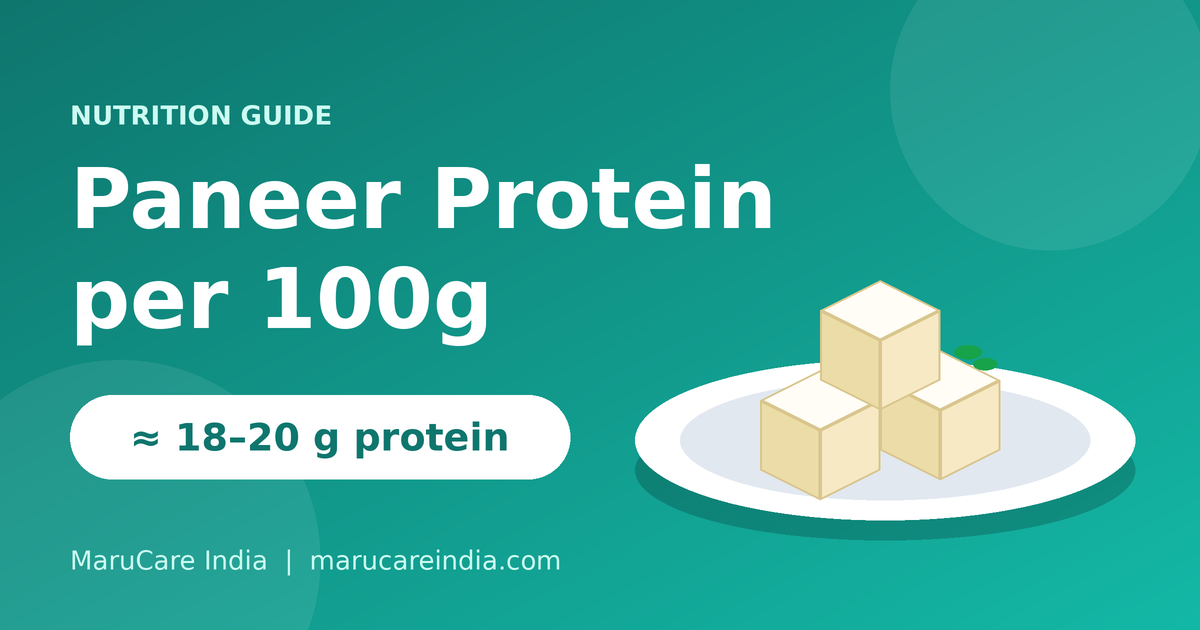
100g of full-fat paneer gives roughly 18–20 g of protein, about 265–320 kcal, 20–25 g fat and 200–480 mg calcium. Low-fat paneer offers around 20–25 g protein per 100g with fewer calories.
Paneer is one of the most loved protein foods in Indian kitchens, especially for vegetarians. But how much protein is really in paneer, and is it right for your health goals? This guide covers paneer protein per 100g, complete nutrition facts, benefits, ideal portions and how it compares with other protein foods.
How much protein is in 100g of paneer?
Traditional full-fat paneer made from whole milk contains about 18–20 g of protein per 100g. Low-fat or toned-milk paneer is usually a little higher in protein by weight, around 20–25 g per 100g, because there is less fat in the same weight. Exact numbers vary by brand, moisture content and the type of milk used, so always check the nutrition label on your pack.
Paneer protein is mainly casein, a slow-digesting milk protein that contains all nine essential amino acids. That makes paneer a complete protein and a helpful way to feel full for longer.
Paneer nutrition facts per 100g
Approximate values for full-fat paneer (they differ between brands):
- Energy: 265–320 kcal
- Protein: 18–20 g
- Total fat: 20–25 g
- Carbohydrates: 1–4 g
- Calcium: 200–480 mg
- Phosphorus: about 350–450 mg
Because paneer is very low in carbohydrates, it suits low-carb and high-protein eating patterns. It is, however, calorie-dense because of its fat content, so portion size matters.
Health benefits of paneer
- Supports muscle repair and growth: Complete protein with all essential amino acids helps repair tissue after exercise and supports muscle maintenance, which matters more as we age.
- Good for bones and teeth: Paneer provides calcium and phosphorus, two minerals central to bone strength.
- Keeps you full: Protein and fat slow digestion, which can reduce snacking between meals.
- Low in carbohydrates: With only a few grams of carbs per 100g, paneer has a minimal effect on blood sugar when eaten in sensible portions.
- Versatile and easy to include: From tikka and bhurji to salads and sandwiches, paneer fits almost any Indian meal.
Paneer vs other protein foods (per 100g)
- Paneer (full-fat): 18–20 g protein. Complete protein, calorie-dense.
- Low-fat paneer: 20–25 g protein. Fewer calories, varies by brand.
- Tofu (firm): 8–12 g protein. Lower calories, plant-based.
- Egg (whole, boiled): 12–13 g protein. About 6 g per egg.
- Chicken breast (cooked): 27–31 g protein. Lean, non-vegetarian.
- Curd / dahi: 3–4 g protein. Probiotic, lower protein.
- Cooked dal: 7–9 g protein. High in fibre.
- Soya chunks (dry): about 50 g protein. Very high protein, eaten after soaking.
Paneer sits comfortably between plant sources like tofu and dal and lean meats. For best results, combine it with dal, vegetables and whole grains rather than relying on one food.
How much paneer should you eat a day?
Most healthy adults can enjoy about 50–100g of paneer a day (roughly 9–18 g of protein) as part of a balanced diet. Your ideal intake depends on your total daily protein needs, activity level and health conditions. As a general guide, adults need around 0.8 g of protein per kg of body weight, and more if they train regularly.
Paneer for weight loss and muscle gain
Weight loss: Choose low-fat paneer, keep portions around 50–100g, and grill, roast or lightly saute instead of deep-frying or using heavy cream gravies.
Muscle gain: Pair paneer with other protein sources and strength training. A paneer snack within a couple of hours after a workout is a simple option.
Healthy ways to eat paneer
- Grilled paneer tikka with mint chutney
- Paneer bhurji with onions, tomato and capsicum
- Paneer and vegetable salad or wrap
- Palak paneer made with minimal oil and no extra cream
- Raw paneer cubes with black pepper and chaat masala
Buy fresh paneer from a trusted source, store it in the fridge and use it within a few days. Soak hard paneer in warm water for a few minutes to soften it.
Who should be careful?
Paneer is high in saturated fat, so people with high cholesterol, heart disease or fatty liver should limit portions. Those with kidney conditions may need to restrict protein and phosphorus, and anyone with a lactose or milk-protein allergy should avoid it. If you are unsure, speak with your doctor or a dietitian.
Know your numbers before you change your diet.
A lipid profile, kidney function test or vitamin check can show whether your diet is working for you. Book your tests with MaruCare India.
Frequently asked questions
Q: How much protein is in 100g of paneer?
A: About 18–20 g for full-fat paneer and around 20–25 g for low-fat paneer.
Q: How many calories are in 100g of paneer?
A: Roughly 265–320 kcal for full-fat paneer, and about 150–200 kcal for low-fat versions.
Q: Is paneer good for weight loss?
A: Yes, in moderate portions. Its protein keeps you full, but it is calorie-dense, so prefer low-fat paneer and light cooking.
Q: How much paneer can I eat in a day?
A: 50–100g is a reasonable amount for most healthy adults. Ask your doctor if you have a medical condition.
Q: Is paneer a complete protein?
A: Yes. It is a milk protein and contains all nine essential amino acids.
Disclaimer : This article is for general information only and is not medical advice. Nutrition values are approximate and vary by brand. Consult a qualified doctor or dietitian before making major diet changes.
This article is for general information and is not a substitute for medical advice. Please talk to your doctor about your own health.