10 Cholesterol-Reducing Foods to Include in Your Daily Diet
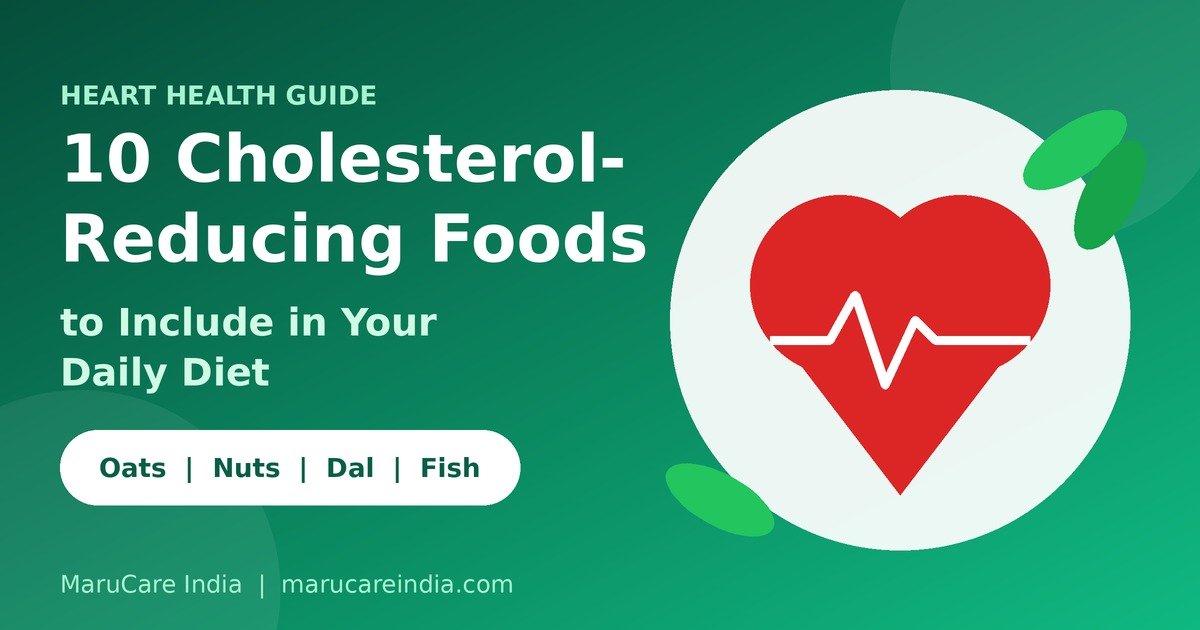
10 Cholesterol-Reducing Foods to Include in Your Daily Diet
Foods rich in soluble fibre, healthy unsaturated fats and plant protein can help lower LDL (“bad”) cholesterol. The best 10 to include daily are oats, beans and dal, nuts, fatty fish, flaxseeds, fruits like apple and guava, soy foods, okra and brinjal, healthy oils, and garlic with methi (fenugreek). Food helps most when combined with less saturated and trans fat, regular exercise and a healthy weight.
High cholesterol rarely causes symptoms, yet over time it can build up in the arteries and raise the risk of heart attack and stroke. The good news is that what you eat every day makes a real difference. Small, steady changes to your plate can lower LDL cholesterol and improve your lipid profile. Here are 10 foods worth adding to your daily diet, how much to eat, and simple Indian ways to enjoy them.
First, a quick look at cholesterol
Cholesterol is a waxy substance your body needs to make hormones and build cells. The problem arises when certain types are too high.
- LDL cholesterol: the “bad” type that can deposit in artery walls
- HDL cholesterol: the “good” type that helps clear cholesterol from the blood
- Triglycerides: a type of fat in the blood, raised by sugar, refined carbs and alcohol
- Total cholesterol: the overall figure
Typical targets for most adults are total cholesterol below 200 mg/dL, LDL below 100 mg/dL, HDL above 40 mg/dL in men and above 50 mg/dL in women, and triglycerides below 150 mg/dL. Your doctor may set stricter goals if you have diabetes, heart disease or other risk factors.
1. Oats and barley
Oats and barley contain beta-glucan, a soluble fibre that binds cholesterol-rich bile in the gut and helps your body remove it. Regular intake of beta-glucan, around 3 g a day, is linked with lower LDL cholesterol.
How to eat: oats porridge or overnight oats with fruit, vegetable oats upma, oats chilla, or barley (jau) added to soups and khichdi. Choose plain rolled or steel-cut oats instead of sweetened instant packets.
Rajma, chole, moong, masoor, toor, soya and lobia are rich in soluble fibre and plant protein. Fibre slows the absorption of cholesterol, and replacing some refined carbs or fatty meats with pulses can improve blood fats. They also keep you full for longer.
How to eat: a bowl of dal at lunch and dinner, sprouts salad, roasted chana as a snack, or rajma and chole a few times a week with less oil.
3. Nuts: almonds, walnuts and pistachios
Nuts contain unsaturated fats, fibre and plant compounds that support healthier cholesterol levels. Walnuts also provide plant omega-3 fats.
How to eat: about a small handful (roughly 25 to 30 g) a day. Choose raw or dry-roasted and unsalted rather than fried or sugar-coated nuts. Nuts are calorie-dense, so keep to the portion.
4. Fatty fish
Salmon, sardines, mackerel, rohu and surmai are good sources of omega-3 fats (EPA and DHA). These mainly lower triglycerides and support heart health, especially when fish replaces red or processed meat.
How to eat: two servings a week, grilled, steamed, baked or in a light curry. Avoid deep-frying, which cancels out much of the benefit.
5. Flaxseeds and chia seeds
Both seeds provide soluble fibre and plant omega-3 (ALA). Ground flaxseed is easier for the body to use than whole seeds.
How to eat: 1 to 2 tablespoons of ground flaxseed in curd, smoothies, atta or porridge. Soak chia seeds in water or milk for a pudding. Increase gradually and drink enough water.
6. Apples, guava, citrus fruits and berries
These fruits contain pectin, a soluble fibre that helps lower cholesterol. Eating the whole fruit, with its skin where possible, gives far more fibre than juice.
How to eat: an apple or guava as a snack, oranges or mosambi, jamun and berries in season, or fruit chaat without added sugar.
Note: if you take a statin or other cholesterol medicine, ask your doctor about grapefruit, because it can interact with some of these medicines.
7. Soy foods: tofu, soya chunks and soy milk
Replacing some animal protein and saturated fat with soy protein can modestly lower LDL cholesterol. Soy also provides fibre and healthy fats.
How to eat: tofu or soya chunks curry, soya keema, edamame, or unsweetened soy milk. Prefer minimally processed forms over highly flavoured soy snacks.
8. Okra (bhindi) and brinjal (baingan)
These common Indian vegetables are low in calories and rich in soluble fibre, which helps reduce cholesterol absorption. They also add volume to meals, so you feel satisfied.
How to eat: bhindi sabzi, bharwan bhindi with a light filling, roasted baingan bharta, or stir-fried and grilled preparations. Cook with little oil rather than deep-frying.
9. Healthy cooking oils, olive oil and avocado
Swapping butter, ghee-heavy gravies and palm oil for unsaturated fats such as olive oil, groundnut, mustard, rice bran or sesame oil can help lower LDL cholesterol. Avocado adds monounsaturated fat and fibre.
How to eat: use measured amounts of oil, about 3 to 4 teaspoons per person per day for cooking, sauté instead of deep-frying, and rotate oils. A little ghee is fine in small amounts, but avoid using it freely.
10. Garlic and fenugreek (methi)
Garlic and fenugreek seeds are traditional favourites. Studies suggest they may lower cholesterol slightly, although the effect is smaller than for the foods above, and they work best as part of an overall healthy diet rather than a cure on their own.
How to eat: add garlic to dals and vegetables, soak 1 teaspoon of methi seeds overnight and have them in the morning, or use fresh methi leaves in parathas and sabzi. Check with your doctor first if you take blood thinners or diabetes medicines, as large amounts of these may interact.
Foods and habits that raise cholesterol
Adding good foods works best when you also cut back on the ones that push cholesterol up:
- Trans fats: partially hydrogenated oils and vanaspati in biscuits, bakery items and some fried snacks
- Saturated fat: fatty red meat, butter, cream, full-fat dairy in large amounts, palm and coconut oil
- Deep-fried foods: samosa, pakora, puri, namkeen and fast food
- Refined carbs and sugar: white bread, maida, sweets, sugary drinks, which raise triglycerides
- Excess alcohol and smoking: smoking lowers HDL and damages blood vessels
- Inactivity and extra belly fat: both are linked with higher LDL and triglycerides
A sample day of cholesterol-friendly eating
- Early morning: a glass of water, soaked methi seeds or a handful of soaked almonds
- Breakfast: vegetable oats upma or oats chilla with mint chutney, and a guava or apple
- Mid-morning: a cup of green tea or buttermilk and a few walnuts
- Lunch: 2 rotis (whole wheat or mixed millet), a bowl of dal, bhindi sabzi, cucumber and tomato salad, and a small bowl of curd
- Evening snack: roasted chana or sprouts chaat
- Dinner: grilled fish or tofu with sautéed vegetables, or moong dal khichdi with a side salad
More ways to lower cholesterol
- Exercise: aim for at least 150 minutes of brisk walking, cycling or similar activity each week.
- Lose extra weight: even a 5 to 10 percent reduction can improve your numbers.
- Quit smoking and limit alcohol.
- Sleep 7 to 8 hours and manage stress.
- Take medicines as prescribed. If your doctor has prescribed a statin or other medicine, food changes support it but do not replace it. Never stop or change medicines on your own.
When should you get your cholesterol tested?
A lipid profile is a simple blood test that measures total cholesterol, LDL, HDL, VLDL and triglycerides. Consider getting tested:
- Every 4 to 6 years if you are a healthy adult, and more often if your doctor advises
- Every year or as advised if you have diabetes, high blood pressure, heart disease, a family history of high cholesterol or heart disease, are overweight or smoke
- About 6 to 12 weeks after starting a new diet or medicine, to see how it is working
- If you are over 40, or younger with risk factors
Check your cholesterol with MaruCare India. Book a lipid profile or a full body checkup from home and get clear, accurate reports to share with your doctor.
Frequently asked questions
Q: What is the best food to lower cholesterol quickly?
A: No single food works overnight. Oats, beans and dal, nuts, and fruits high in soluble fibre are among the most effective. Combined with less saturated and trans fat, you can see improvement in a few weeks to a few months.
Q: Can I lower cholesterol with diet alone?
A: Many people can improve their numbers with diet and lifestyle changes. Some people, especially those with a strong family history or very high levels, also need medicines. Your doctor can advise.
Q: How much can diet lower LDL cholesterol?
A: It varies from person to person. A combination of healthy changes, such as more soluble fibre, nuts, plant protein and less saturated fat, can lower LDL by a meaningful amount, but results differ.
Q: Are eggs bad for cholesterol?
A: For most healthy people, eggs eaten in moderation fit into a healthy diet, since saturated and trans fat affect blood cholesterol more than dietary cholesterol. People with high cholesterol, diabetes or heart disease should follow their doctor’s advice.
Q: Is ghee bad for cholesterol?
A: Ghee is high in saturated fat, so large amounts can raise LDL. A small amount is acceptable for most people, but avoid using it freely if your cholesterol is high.
Q: Does coconut oil lower cholesterol?
A: No. Coconut oil is high in saturated fat and can raise LDL, so unsaturated oils are better choices for daily cooking.
Q: How long does it take to see an improvement in cholesterol?
A: Many people see changes in 6 to 12 weeks with consistent diet and exercise changes. Re-test with a lipid profile to check your progress.
Q: Do I need to fast before a lipid profile test?
A: Some labs and doctors ask for 9 to 12 hours of fasting, while others accept non-fasting samples. Follow the instructions given when you book your test.
Disclaimer: This article is for general information only and is not medical advice. Cholesterol targets and treatment differ from person to person. Consult a qualified doctor or dietitian before changing your diet or medicines, especially if you take cholesterol, blood-thinning or diabetes medicines.
This article is for general information and is not a substitute for medical advice. Please talk to your doctor about your own health.